


Heart Valve Replacement –
Complex Valve Replacement Procedures
and Bypass Surgery
Heart valves play a crucial role in the proper function of the heart, as they regulate blood flow between the heart chambers and into the body’s circulation. When one or more valves develop severe dysfunction, surgical valve replacement may be required in order to restore normal blood flow and protect cardiac function.
In many cases, valvular disease coexists with coronary artery disease, making combined surgical treatment necessary. These procedures involve heart valve replacement together with coronary artery bypass grafting (bypass) and are considered among the most complex cardiac surgeries.
Modern cardiac surgery offers safe and effective solutions for the treatment of these complex conditions, significantly improving patients’ quality of life.
What are Heart Valves
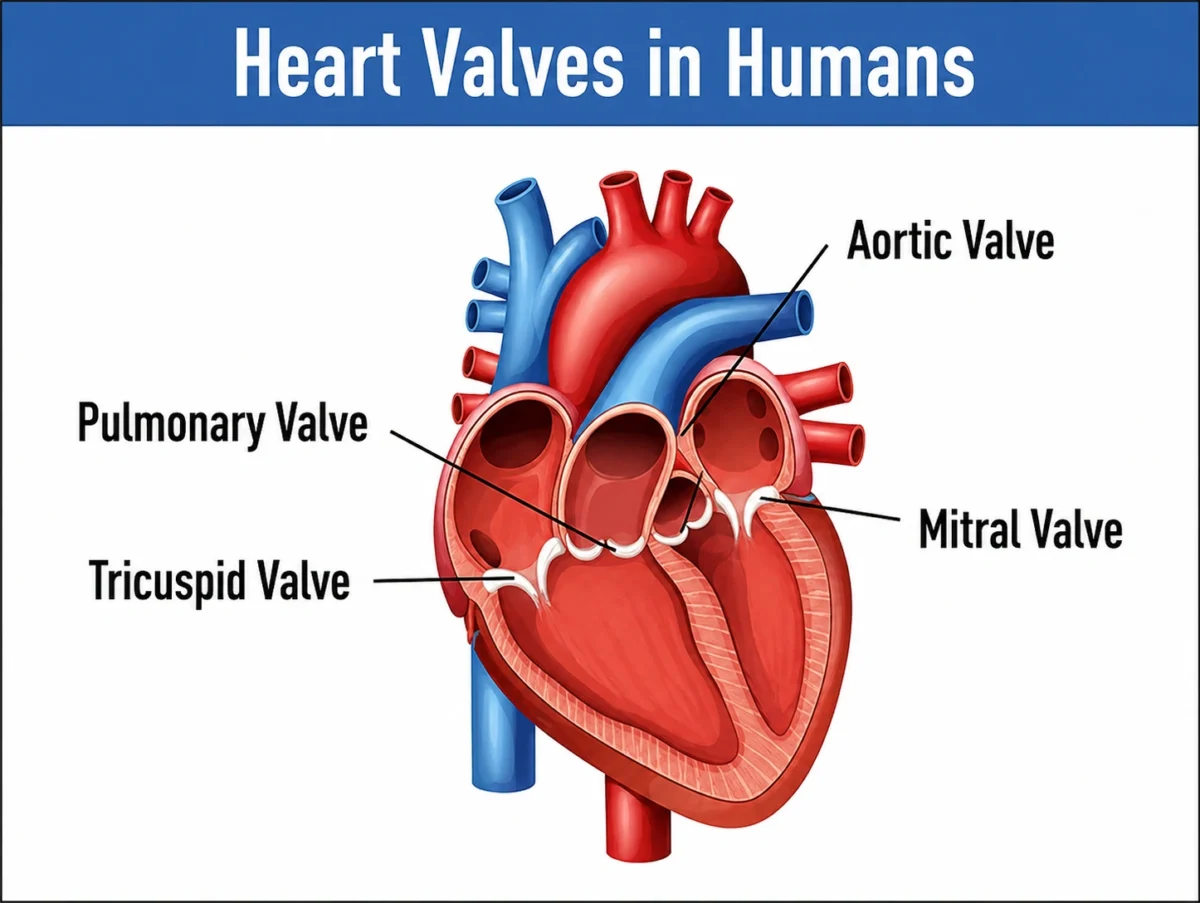
The heart has four main valves that ensure the proper direction of blood flow:
- aortic valve
- mitral valve
- tricuspid valve
- pulmonary valve
These valves open and close in coordination with the heartbeat. When a valve does not function properly, blood may not circulate efficiently within the heart.
Heart Valve Diseases
The most common heart valve diseases are:
Valve Stenosis
The valve does not open fully, restricting blood flow.
Valve Regurgitation (Insufficiency)
The valve does not close properly, allowing blood to flow backward.
Valve diseases may be caused by:
- degenerative changes due to age
- congenital heart diseases
- rheumatic heart disease
- infections such as endocarditis
- calcification of the valves
Symptoms of Valve Disease
Symptoms may appear gradually and include:
- shortness of breath
- fatigue
- chest pain
- palpitations
- dizziness or fainting
- swelling in the legs
In advanced stages, heart failure may develop.
When is Valve Replacement Needed
Surgical valve replacement is recommended when:
- the valve has severe damage
- there are significant symptoms
- heart function is significantly affected
- there is a high risk of complications
The decision is made after a thorough cardiological evaluation and specialized assessment.
Diagnosis
The diagnosis of thoracic aortic aneurysms is performed using modern imaging tests, such as:
- chest CT scan (computed tomography)
- magnetic resonance imaging (MRI)
- echocardiogram
- angiography
These tests allow the doctor to assess the size, location, and progression of the aneurysm.
Types of Valves Used
During valve replacement, two main types of artificial valves are used:

Mechanical Valves
They are made of special durable materials and have a long lifespan, but they require long-term anticoagulant therapy.

Biological Valves
They are made from biological tissues and usually do not require long-term anticoagulant therapy. The choice of the appropriate valve is based on the patient’s age, overall health condition, and individual needs.
Complex Valve and Bypass Procedures
In many patients, valvular disease coexists with coronary artery disease. In such cases, a combined surgical procedure is performed, which includes:
- heart valve replacement
- coronary artery bypass grafting (bypass)
This procedure restores both the function of the valve and the blood supply to the heart muscle.
Although it is a more complex operation, modern cardiac surgery technology allows it to be performed safely and effectively.
Modern Surgical Techniques
Advances in cardiac surgery have enabled the use of less invasive techniques.
Endoscopic cardiac surgery is a modern approach performed through smaller incisions.

The advantages include:
- smaller surgical trauma
- less postoperative pain
- faster recovery
- shorter hospital stay
- better aesthetic outcome
The choice of the appropriate technique is tailored individually for each patient.
Postoperative Course
After the procedure, the patient is monitored in an intensive care unit for a short period of time.
The length of hospitalization depends on:
- the patient’s overall condition
- the complexity of the procedure
- the presence of other medical conditions
With proper medical follow-up and rehabilitation, most patients gradually return to their daily activities.
(FAQ)
It is a surgical procedure in which a damaged valve is replaced with an artificial one.
.
When the valve has severe stenosis or regurgitation and cardiac function is affected.
Yes. In patients with coronary artery disease, bypass surgery is performed at the same time.
The duration usually ranges from 3 to 6 hours, depending on the complexity.
Full recovery may take several weeks.
Yes. Most patients return to normal activities after recovery.
Dr. E. Andreas Agathos is an internationally recognized cardiothoracic surgeon with many years of experience in the treatment of complex cardiac surgical conditions.
He has trained in cardiothoracic surgery at the University of London and at the Harvard Medical School, and has served as a Visiting Professor at St. Vincent Hospital in Portland, Oregon, as well as a Clinical Associate in Springfield, Massachusetts, USA.
He is a Doctorate holder from the University of Athens and holds important international titles:
- FRCS – Royal College of Surgeons of Edinburgh
- FACS – American College of Surgeons
- FETCS – European College of Surgeons
- FICS – International College of Surgeons
Dr. Agathos also holds multiple international patents (World patent, USA patent, European patent) for the development of new biological materials, innovative heart valves, and anti-calcification treatment methods.
He has served as Director of Cardiac Surgery at hospitals such as Hygeia, Athens Medical Center, and Euroclinic Athens, while also collaborating with leading international hospitals such as Massachusetts General Hospital in Boston and Triemli Hospital in Zurich.
With more than 5,000 surgeries in Greece and abroad, he has particular expertise in endoscopic cardiac surgery, offering modern and less invasive solutions for patients.
His international experience, scientific innovation, and globally recognized patents in the field of cardiac valves make Dr. Agathos one of the most specialized cardiac surgeons in modern cardiac surgery.